

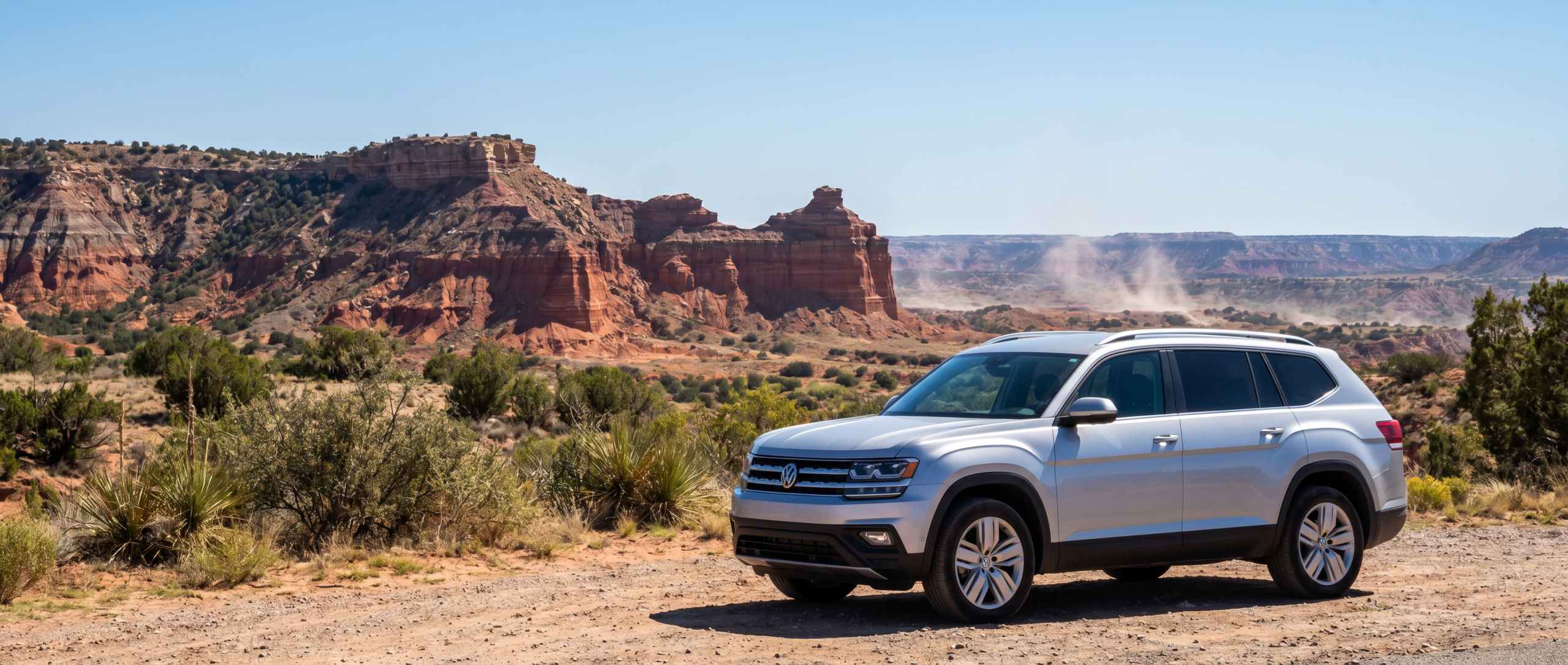
When temperatures climb past 100°F for weeks on end, your Volkswagen faces challenges that drivers in cooler climates never encounter. Amarillo, TX residents know that summer heat isn’t just uncomfortable – it actively damages vehicles that aren’t properly maintained. The combination of scorching pavement, intense UV radiation, and temperature swings between day and night creates a perfect storm for automotive wear. This guide shows you exactly how to protect your VW investment and keep it running reliably through the brutal Texas Panhandle summer, with specific steps that address our unique high-plains desert conditions.
Understanding How Extreme Heat Affects Your Volkswagen
Your vehicle’s cooling system works 40% harder when ambient temperatures exceed 95°F, and that’s before factoring in the heat radiating from Amarillo’s black asphalt that can reach 140°F on summer afternoons.
Modern Volkswagens use sophisticated thermal management systems that regulate engine temperature, transmission cooling, and even battery temperature in electric models like the ID.4. These systems excel at maintaining optimal operating temperatures, but they need proper maintenance to handle extreme conditions.
The high altitude of the Texas Panhandle compounds heat stress. At 3,605 feet elevation, Amarillo’s thin air provides less cooling capacity than sea-level locations. Your Tiguan or Atlas works harder to maintain proper temperatures while climbing the Canadian River breaks or heading out toward Lake Meredith.
| Component | Heat Impact | Failure Risk Above 100°F |
|---|---|---|
| Engine Oil | Breaks down faster, loses viscosity | 35% higher wear rate |
| Coolant | Evaporates, degrades additives | System pressure increases 25% |
| Battery | Fluid evaporation, plate damage | Lifespan reduced by 50% |
| Tires | Increased pressure, sidewall stress | Blowout risk doubles |
| A/C System | Constant maximum load | Compressor strain increases 60% |
Beyond mechanical stress, consider what happens to your interior. Dashboard temperatures can exceed 180°F when parked at Westgate Mall or while you’re shopping at the Shops at Wolflin Square. This heat destroys electronics, warps plastic trim, and degrades leather surfaces.
Critical Cooling System Maintenance for Texas Heat
Volkswagen engineers design cooling systems with a 20% safety margin, but Amarillo summers push right up against that limit, especially if you’re towing with an Atlas or sitting in traffic on I-40.
Start with coolant inspection. VW specifies G13 coolant for most models, a purple-colored formula that handles temperature extremes better than conventional green coolant. Check your coolant level weekly during summer months. Low coolant is the number one cause of overheating, and in our dry climate, evaporation happens faster than you might expect.
Your radiator needs attention too. Spring winds blow cottonwood seeds and dust through the grille, clogging the delicate fins. A partially blocked radiator reduces cooling efficiency by up to 30%. Carefully clean the radiator surface with low-pressure water, spraying from the engine side outward.
- Test coolant concentration (should be 50/50 mix)
- Inspect all hoses for cracks or soft spots
- Verify cooling fans activate properly
- Clean A/C condenser and radiator fins
- Check serpentine belt tension and condition
- Flush coolant if over 4 years old
The thermostat deserves special attention. A failing thermostat might stick partially open, preventing the engine from reaching optimal temperature, or worse, stick closed and cause overheating. If your temperature gauge fluctuates unusually or takes forever to warm up even in summer, have the thermostat tested.
Don’t forget about your transmission cooler, especially important for the Atlas with its towing capacity. The transmission fluid temperature should stay below 200°F even when towing in heat. If you plan summer trips pulling a boat to Lake Meredith or a trailer to Palo Duro Canyon, consider adding an auxiliary transmission cooler.
Battery Care in High Temperatures
Heat kills batteries faster than cold, and Amarillo’s combination of extreme temperatures and long summer days creates perfect conditions for battery failure.
Your Volkswagen’s battery loses water through evaporation when temperatures stay above 95°F. For every 15°F increase above 77°F, battery life decreases by 50%. That means a battery rated for 5 years might last only 2.5 years in our climate.
Modern VW models use AGM (Absorbed Glass Mat) batteries in many applications. These sealed units handle heat better than traditional flooded batteries but still suffer in extreme temperatures. The ID.4‘s high-voltage battery pack includes active thermal management, but the 12V accessory battery needs the same attention as any conventional vehicle.
- Test battery health monthly during summer
- Clean terminals to prevent resistance and heat buildup
- Ensure battery hold-down is secure (vibration + heat = failure)
- Park in shade when possible to reduce under-hood temperatures
- Check electrolyte levels in serviceable batteries
Watch for warning signs: slow cranking, dim lights, or the battery warning light. Don’t wait for complete failure – a battery that struggles in summer heat will definitely leave you stranded come winter.
Tire Safety for Hot Pavement Conditions
Amarillo’s pavement temperatures create a dangerous situation for improperly maintained tires, with surface temperatures hot enough to fry an egg by noon on summer days.
Heat causes air to expand, increasing tire pressure. For every 10°F increase in temperature, tire pressure rises about 1 PSI. When pavement temperatures hit 140°F, your tire pressure could be 5-7 PSI over the cold specification. Overinflated tires have less contact with the road, reducing traction and increasing center tread wear.
Check tire pressure early in the morning before driving, when tires are cool. The correct pressure appears on the sticker inside your driver’s door jamb. Your Jetta might specify 35 PSI, while an Atlas typically runs 36-42 PSI depending on load.
| Check Frequency | What to Inspect | Action Needed |
|---|---|---|
| Weekly | Pressure (cold) | Adjust to door jamb spec |
| Bi-weekly | Tread depth | Replace at 4/32″ (summer) |
| Monthly | Sidewall condition | Look for cracks, bulges |
| Monthly | Wear patterns | Rotate if uneven |
| Before trips | All of above | Plus spare tire |
Examine sidewalls carefully. Heat and UV exposure cause rubber to deteriorate, creating small cracks that can lead to blowouts. Tires over 6 years old become particularly vulnerable in extreme heat, regardless of tread depth.
Don’t forget your spare tire. Whether your Tiguan has a full-size spare or temporary donut, heat degrades it just like your regular tires. Check its pressure monthly and inspect for dry rot.
Interior Protection Strategies
Direct sun through your Volkswagen’s windows creates an oven effect that damages every surface inside your vehicle and makes afternoon drives miserable.
Windshield sunshades work, but placement matters. Position the shade to cover the entire windshield, tucking edges into the visors and against the rearview mirror. This can reduce dashboard temperatures by 40°F. For maximum protection, add side window shades when parked at Amarillo College or during work hours downtown.
Your choice of parking spot makes a huge difference. When shopping at Wolflin Village or dining in the Shops at Wolflin Square area, seek covered parking or spots shaded by buildings in the afternoon. Even partial shade significantly reduces interior heat buildup.
- Use windshield sunshade consistently
- Apply UV protectant to dashboard and door panels monthly
- Condition leather seats every 6-8 weeks
- Keep windows cracked 1/4″ when safe (allows hot air to escape)
- Consider professional window tinting
- Use steering wheel covers when parked
Leather interiors in the Atlas or Tiguan SEL need extra attention. Heat dries out leather, causing cracks and premature wear. Use conditioner specifically designed for automotive leather, applying it during cooler morning hours so it can absorb properly.
Electronics suffer too. Never leave phones, tablets, or GPS units on the dashboard. The center console and door pockets get hot but won’t reach damaging temperatures like exposed surfaces. If your Taos or Jetta GLI has a sunroof, keep the shade closed when parked to reduce heat loading.
A/C System Performance Optimization
Your Volkswagen’s air conditioning system works overtime in Amarillo summers, and proper maintenance ensures it keeps you comfortable during those triple-digit afternoons on Soncy Road.
VW’s automatic climate control systems monitor multiple temperature sensors to maintain your selected temperature. But when outside temperatures exceed 100°F, even a perfectly functioning system takes 5-10 minutes to cool the cabin to comfortable levels. Expecting instant cold air puts unnecessary strain on components.
Replace your cabin air filter every 10,000 miles or annually, whichever comes first. Dust from spring winds and cottonwood seeds clog filters faster here than in more humid climates. A restricted cabin filter reduces airflow by up to 40%, making your A/C work harder for less cooling.
The A/C condenser, located in front of your radiator, needs the same attention. Bent fins and debris block airflow, reducing system efficiency. Straighten bent fins carefully with a fin comb, and rinse away accumulated dust and bugs. Your Golf GTI or Golf R’s lower front profile makes this especially important, as they collect more road debris.
- Set temperature to 72-75°F (going lower doesn’t cool faster)
- Use recirculation mode in extreme heat
- Direct vents away from sun-heated surfaces initially
- Service A/C annually to maintain refrigerant charge
- Replace cabin filter when airflow decreases
- Clean condenser fins every spring
Consider having your A/C system’s refrigerant level checked if cooling seems inadequate. Low refrigerant forces the compressor to run continuously, increasing wear and fuel consumption. Modern R-1234yf refrigerant in newer VW models requires special equipment for service.
Take a look at our pre-owned inventory if your current vehicle’s A/C can’t keep up with Amarillo heat.
Summer Emergency Kit Essentials
Breaking down on US-287 toward Claude or I-27 heading to Canyon in 105°F heat turns dangerous quickly without proper preparation.
Water tops the list – keep at least one gallon per person in your vehicle. Store it in an insulated container to prevent plastic bottles from leaching chemicals in extreme heat. Add extra coolant (pre-mixed 50/50) and engine oil in factory-recommended grades.
Your emergency kit needs summer-specific items beyond typical supplies. Include sunscreen, wide-brim hats, and light-colored clothing that reflects heat. A battery-powered fan provides relief while waiting for roadside assistance. Reflective emergency triangles become even more critical when heat shimmer reduces visibility on long straight highways.
| Category | Items | Special Notes |
|---|---|---|
| Fluids | 1 gal water/person, coolant, oil | Rotate water monthly |
| Protection | Sunscreen SPF 30+, hats, sunglasses | Check expiration dates |
| Tools | Jumper cables, tire gauge, multi-tool | Store in insulated bag |
| Comfort | Battery fan, cooling towels, umbrella | For shade/air circulation |
| Communication | Charged phone battery, car charger | Heat drains batteries |
Remember that cell service drops between cities in the Panhandle. Program roadside assistance numbers into your phone before you need them. Tell someone your route when traveling to places like Lake Meredith or Caprock Canyons State Park.
Heat-related illness strikes quickly. Know the symptoms: excessive sweating (or no sweating), dizziness, rapid heartbeat, and nausea. If you experience these while changing a tire or checking under the hood, get to shade or A/C immediately and hydrate.
Common Questions About How to Prepare Your Volkswagen for Amarillo, TX Summer Heat
How often should I check my VW’s coolant level during Amarillo summers?
Check your Volkswagen’s coolant level weekly during summer months when temperatures exceed 95°F. The combination of extreme heat and low humidity in Amarillo causes faster evaporation than in other climates. Always check when the engine is cool, and maintain the level between MIN and MAX marks on the reservoir.
What tire pressure should I run in my Volkswagen during hot weather?
Use the tire pressure specified on your driver’s door jamb sticker, checking when tires are cold in the morning. Don’t reduce pressure to compensate for heat expansion – your Volkswagen’s recommended pressures account for temperature variations. Check weekly during summer, as Amarillo’s temperature swings between night and day can cause significant pressure changes.
Does Amarillo’s altitude affect how my VW handles summer heat?
Yes, Amarillo’s 3,605-foot elevation means thinner air that provides less cooling capacity for your engine. Your Volkswagen’s cooling system works harder here than at sea level, especially when climbing grades toward Canyon or pulling trailers to Lake Meredith. Ensure your cooling system is in peak condition to compensate for altitude effects.
When should I service my VW’s A/C system for summer?
Schedule A/C service in early May before Amarillo temperatures climb above 90°F consistently. Annual service includes checking refrigerant levels, cleaning the condenser, and replacing the cabin filter. If your A/C takes longer than 5 minutes to cool the cabin or doesn’t feel as cold as previous summers, don’t wait for complete failure.
What’s the best coolant type for Volkswagens in extreme heat?
Volkswagen specifies G13 coolant (purple/pink color) for most models, engineered to handle temperature extremes better than conventional coolants. This silicate-free formula protects aluminum components and maintains stability in high heat. Always use VW-approved coolant mixed 50/50 with distilled water for optimal protection in Amarillo’s climate.
How can I protect my VW’s battery from Amarillo’s summer heat?
Park in shade whenever possible and test your battery monthly during summer. Clean corrosion from terminals to prevent resistance-created heat, and ensure the battery hold-down is secure. Consider replacing batteries over 3 years old before summer, as Amarillo’s extreme temperatures significantly shorten battery life compared to milder climates.
Keep Your Volkswagen Running Strong Through Summer
Preparing your Volkswagen for Amarillo’s intense summer heat protects your investment and ensures reliable transportation when temperatures soar. Regular maintenance of cooling systems, batteries, tires, and A/C components prevents breakdowns and extends vehicle life in our challenging climate. Taking proactive steps now saves money and frustration during the hottest months ahead. The service experts at Street Volkswagen of Amarillo understand exactly what your VW needs to handle Texas Panhandle summers, from coolant system checks to A/C optimization tailored to our unique high-altitude desert conditions.
Connect with us


- June 2026
- May 2026
- April 2026
- March 2026
- February 2026
- January 2026
- December 2025
- November 2025
- October 2025
- September 2025
- May 2025
- April 2025
- March 2025
- February 2025
- January 2025
- November 2024
- October 2024
- September 2024
- August 2024
- July 2024
- May 2024
- September 2023
- August 2023
- July 2023
- May 2023
- November 2022
- September 2022
- August 2022
- July 2022
- June 2022
- April 2022
- March 2022
- September 2020
- August 2020
- July 2020
- June 2020
- May 2020
- April 2020
- March 2020
- February 2020
- January 2020
- December 2019
- November 2019
- October 2019
- September 2019
- August 2019
- July 2019
- May 2019
- April 2019
- March 2019
- February 2019
- January 2019
- December 2018
- November 2018
- October 2018
- September 2018
- August 2018
- July 2018
- May 2018
- April 2018
- March 2018
- February 2018
- January 2018
- December 2017
- November 2017
- October 2017
- May 2017
- April 2017
- March 2017
- February 2017
- January 2017
- December 2016
- November 2016
- October 2016
Archives
- Amarillo Volkswagen Dealer
- Amarillo Volkswagen Service
- Dealership Information
- Helpful Tips
- Just for Fun
- New Inventory
- Pre-Owned Inventory
- Press Release
- Service and Repair
- Street Volkswagen
- Street Volkswagen of Amarillo Service
- Uncategorized
- Volkswagen Information
- Volkswagen Model Features
- Volkswagen Tiguan
- VW Features
- VW News