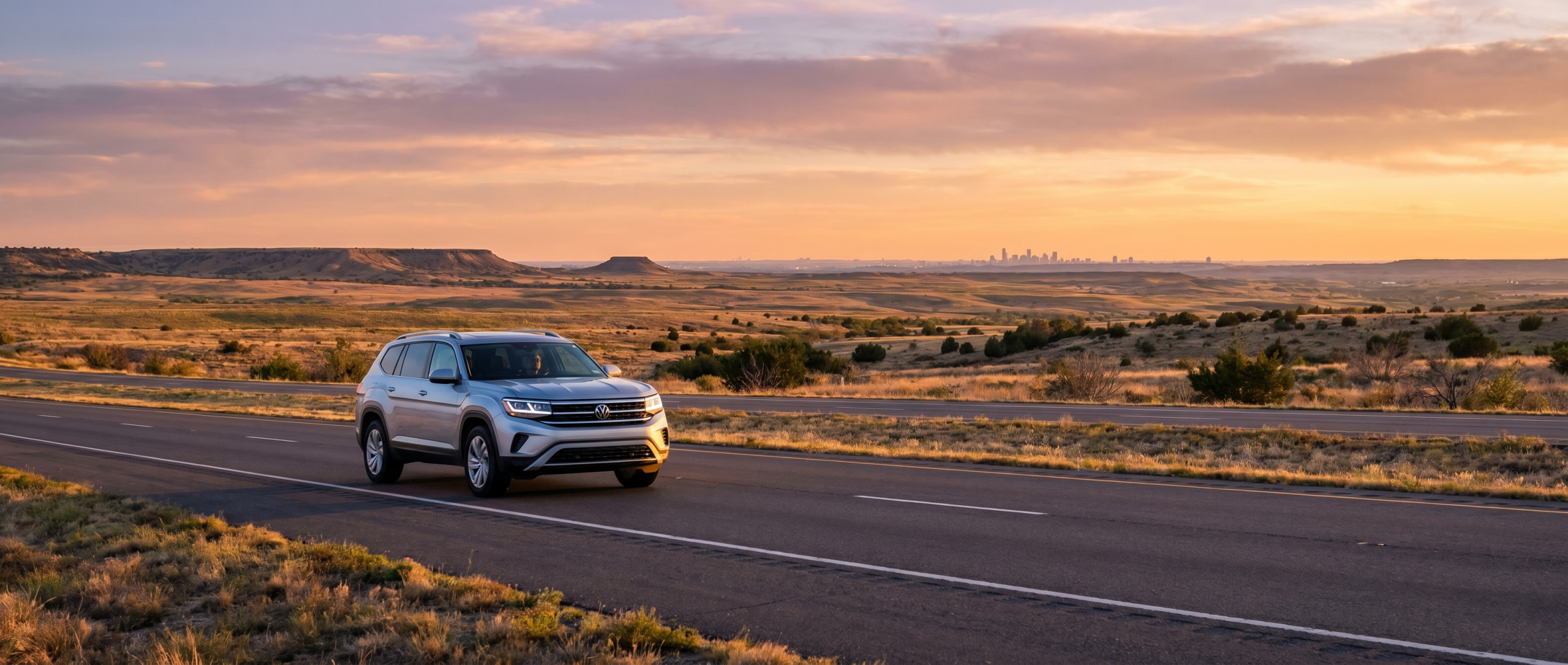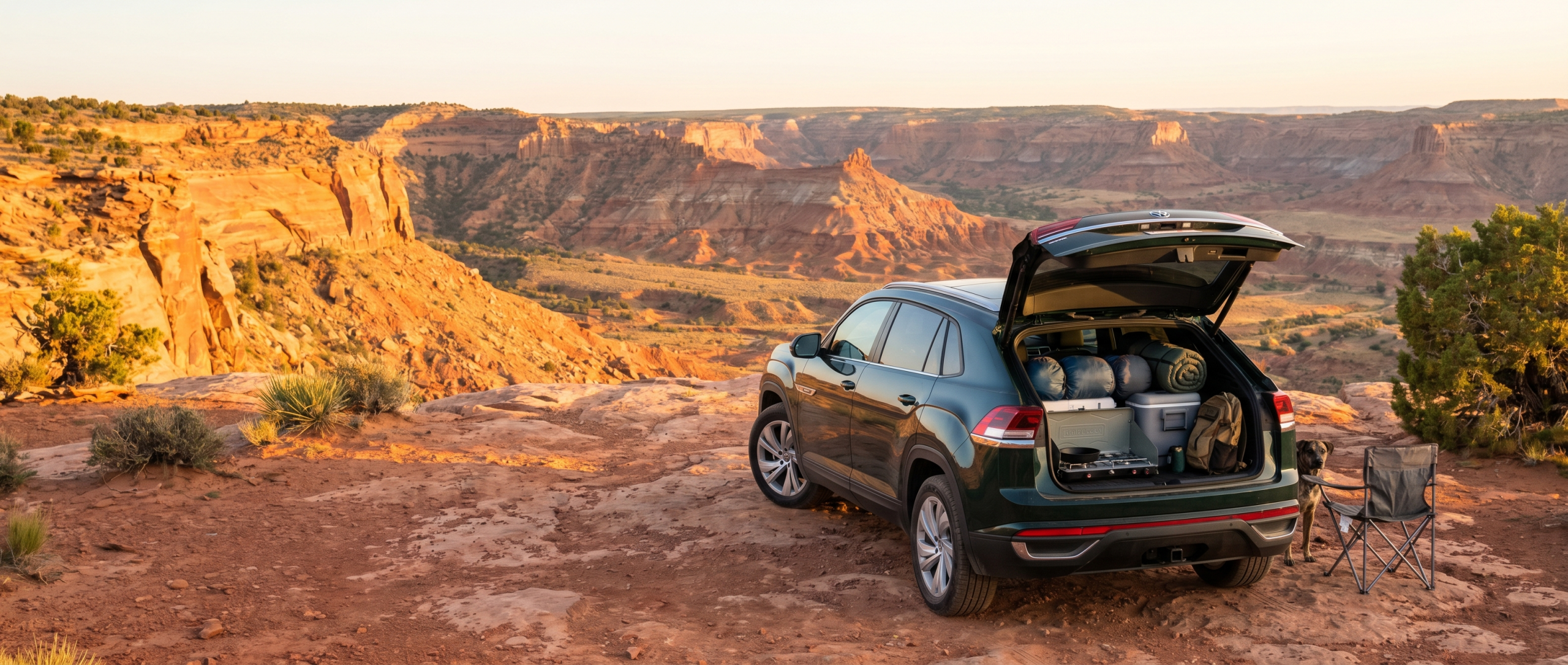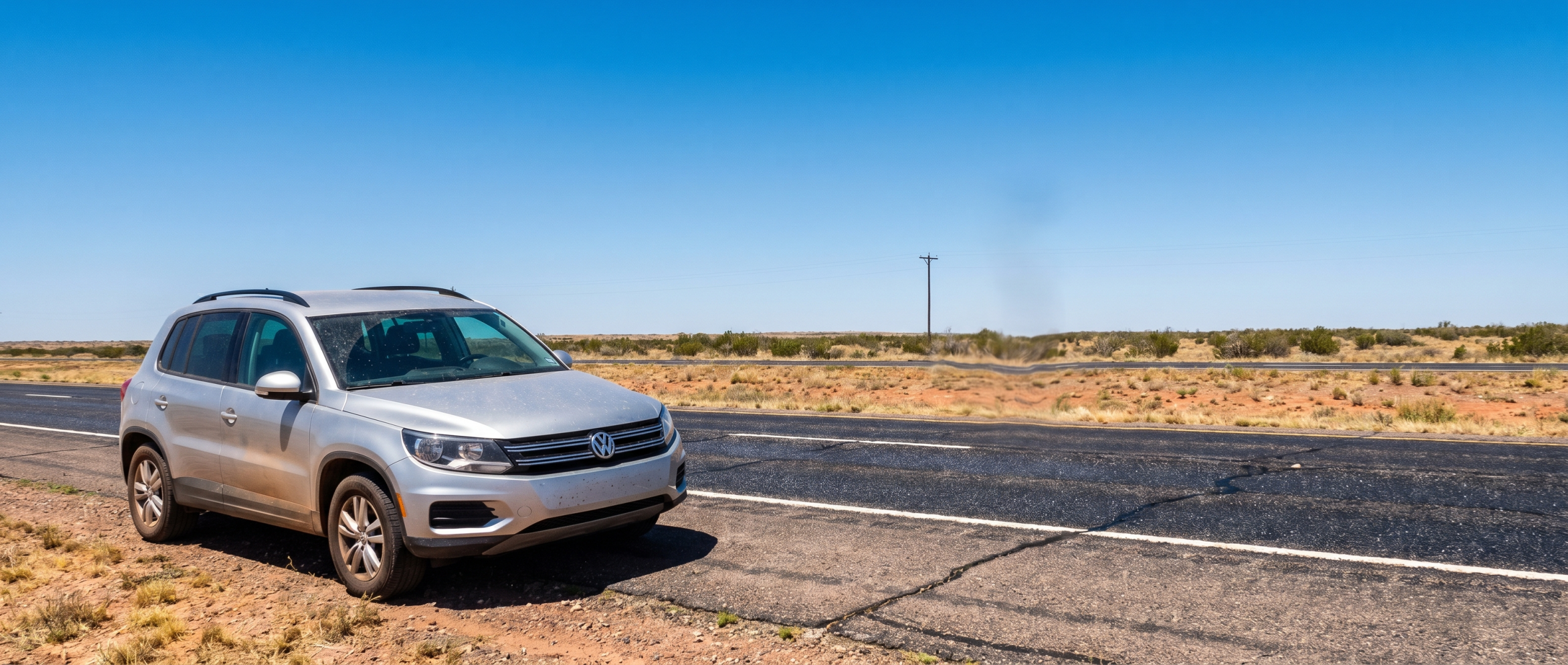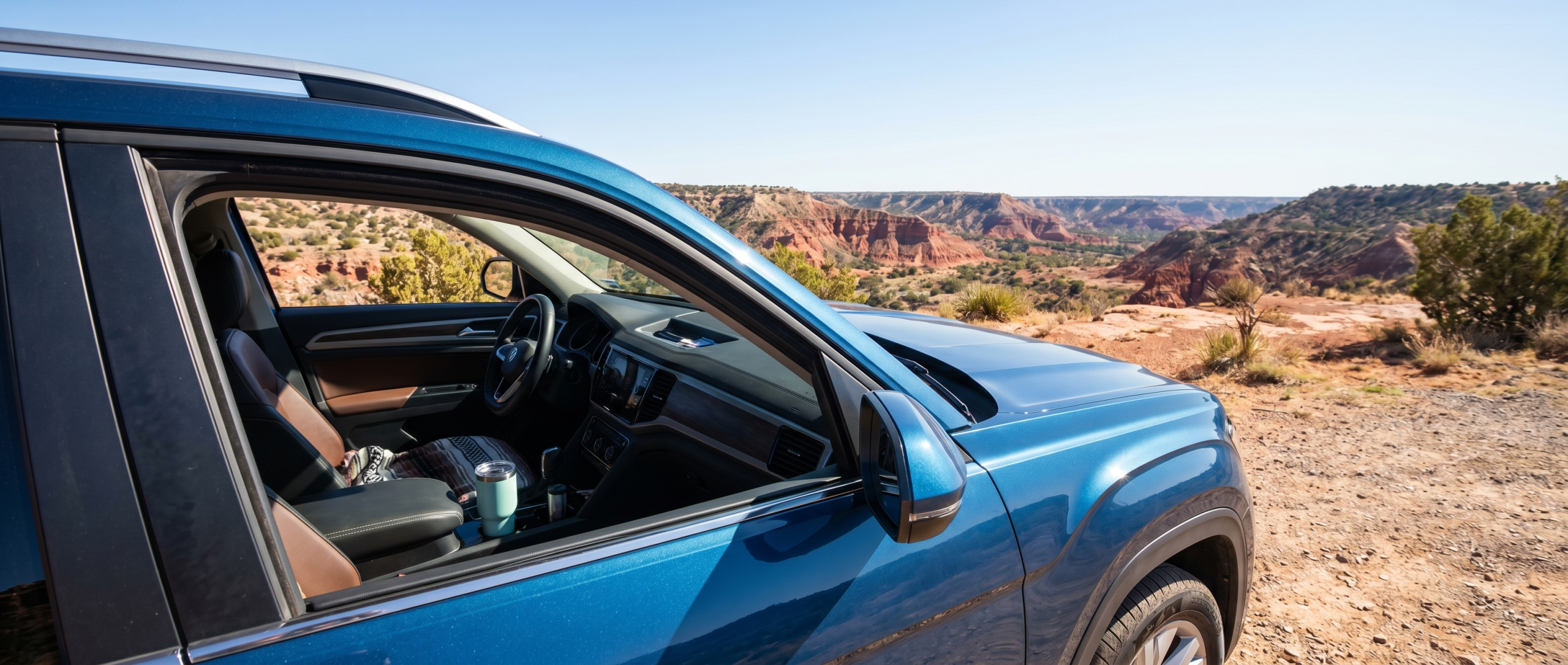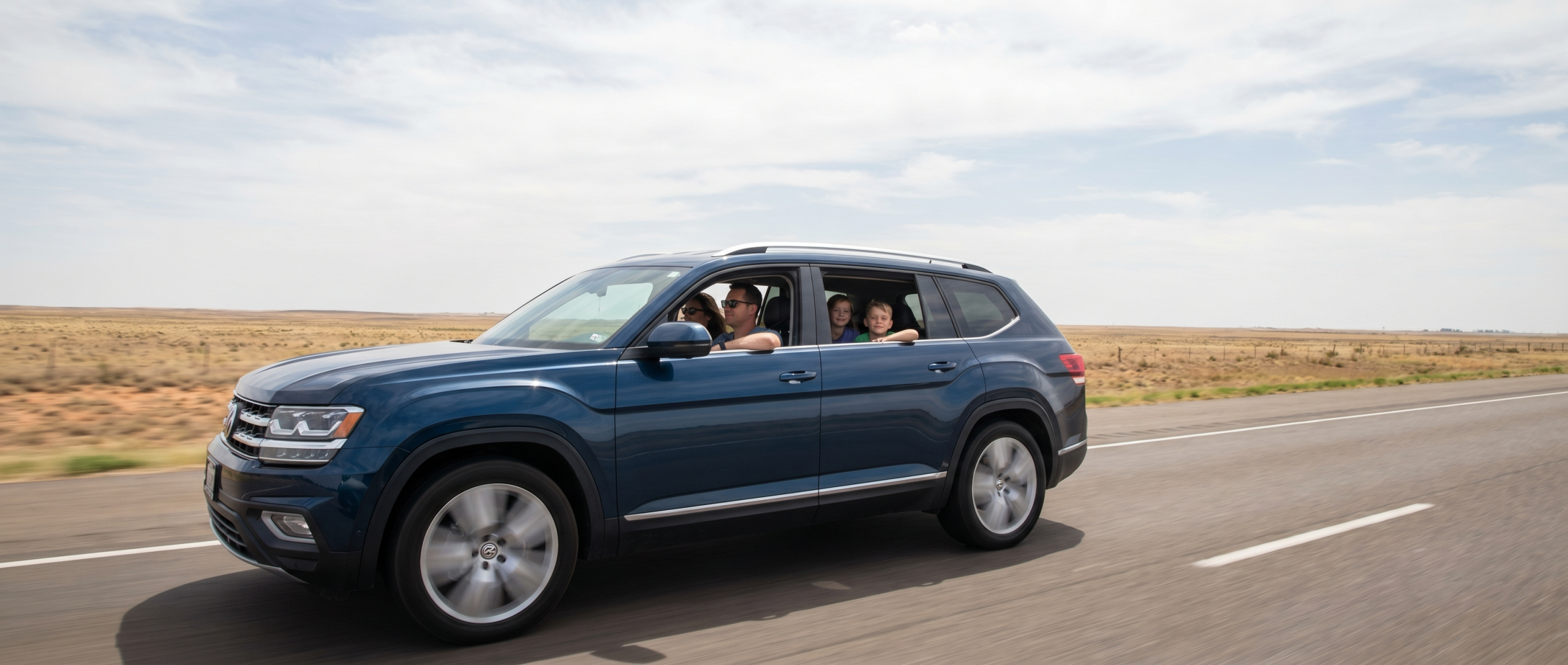

The drive from Amarillo, TX to Albuquerque, NM covers roughly 285 miles of high-desert highway - and a surprising amount of it passes through areas where the nearest help is a long wait away. Before you load up your Volkswagen® and head west on I-40, a quick pre-trip service check can be the difference between a smooth trip and an unwanted roadside stop somewhere between Tucumcari and Santa Rosa. This checklist was built specifically for that route and the conditions your VW will face along the way. Why the Amarillo-to-Albuquerque Route Demands More Than a Quick Glance This is not a forgiving stretch of road for an underprepared vehicle. The I-40 corridor from Amarillo climbs steadily in elevation as you push west - Albuquerque sits at roughly 5,300 feet above sea level, compared to Amarillo's 3,600 feet. That elevation change affects engine performance, tire pressure, and cooling systems in ways that most drivers don't think about until something goes wrong. The Panhandle climate adds another layer of complexity. Temperatures can swing dramatically between morning and afternoon, especially during spring and fall. Wind along the Texas Panhandle is consistent and strong - anyone who has driven near Cadillac Ranch or along the stretches past Wildorado knows exactly what that feels like pushing against the side of a vehicle at highway speed. And then there's the distance between services. Once you clear Adrian (the geographic midpoint of old Route 66), your options thin out significantly until you reach New Mexico towns. Planning ahead is not optional on this drive - it's practical. The Pre-Trip Volkswagen Service Checklist Run through each of these before departure. Some items you can check yourself in the driveway. Others are worth having a technician confirm, especially if your VW is due for scheduled maintenance. Fluid Levels Engine oil - check level and condition; dark, gritty oil needs changing before a long haul Coolant - critical given elevation changes and potential temperature swings Brake fluid - especially important on mountain descents approaching Albuquerque Windshield washer fluid - dust and bug splatter on I-40 is relentless Power steering fluid (if applicable to your model) Tires Check tire pressure cold, before driving - elevation changes cause pressure fluctuations Inspect tread depth on all four tires, including the spare Look for sidewall cracking, bubbling, or uneven wear patterns Confirm the spare is inflated and the jack is accessible Brakes Listen for squealing or grinding during normal stops around Amarillo before departure Check brake pad thickness if you can visually inspect through the wheel spokes Note any pulling to one side during braking - have it evaluated Lights and Electrical Confirm all exterior lights work: headlights, taillights, brake lights, and turn signals Test hazard lights Check battery terminals for corrosion, especially after a cold Amarillo winter Belts, Hoses, and Filters Inspect serpentine belt for cracking or fraying Check coolant hoses for soft spots or leaks Replace cabin air filter if it has been more than 15,000 miles since the last change Pro tip: Volkswagen recommends checking tire pressure monthly and before any long trip. The correct PSI for your specific VW model is printed on the sticker inside the driver's door jamb - not on the tire sidewall. Using the sidewall number is one of the most common pressure mistakes drivers make. How Elevation Change Affects Your VW on This Specific Route Most drivers think of the Amarillo-to-Albuquerque drive as a flat interstate run. The truth is more interesting. While I-40 is not a dramatic mountain highway, the gradual elevation gain over 285 miles creates real mechanical stress that accumulates over the course of the trip. Your Volkswagen Tiguan™ or Taos™ engine management system adjusts air-fuel mixture automatically as altitude increases and oxygen thins. This is normal, and modern VW engines handle it well. What it does mean is that your engine is working somewhat harder in the final stretch approaching Albuquerque - which is precisely the wrong time to have a cooling system that is already operating at the edge of its capacity. System Effect of Elevation Gain What to Check Before You Leave Engine Cooling Higher elevation reduces cooling efficiency slightly Coolant level and condition Tire Pressure Pressure increases as altitude rises and temps change Set pressure cold at Amarillo PSI spec Fuel Economy Engine works harder at altitude, MPG may dip Full tank before departure Brakes Descent into Albuquerque basin increases brake load Pad thickness and fluid condition Transmission More load on climbs affects fluid temp Check fluid, especially on older models Drivers heading out from neighborhoods near Wolflin Village or the south Amarillo corridor along I-27 often make the mistake of checking fluids right after the car has been running. Always check engine oil and coolant when the engine is cold for an accurate reading. Battery and Electrical - The Overlooked Part of Every Pre-Trip Check A dead battery is among the most common reasons drivers get stranded, and it almost always happens at the worst possible moment. For Amarillo drivers, the Panhandle's temperature extremes are particularly hard on car batteries. Cold winters near the Canadian River corridor and the intense summer heat that bakes the city between May and September both accelerate battery wear. Most car batteries last between three and five years under normal conditions. If yours is approaching that range, have it load-tested before the trip - not just checked with a basic voltage meter. A battery can show adequate voltage at rest but fail under the actual load of starting the engine after sitting in the heat of a New Mexico rest stop. Did you know? Volkswagen vehicles use a battery management system (BMS) that monitors battery health and adjusts charging accordingly. If your VW battery is replaced without resetting the BMS through a diagnostic tool, the system may not charge the new battery correctly. This is one reason VW battery service is best handled by a trained technician rather than a quick swap. The Volkswagen Jetta™ and Jetta GLI are especially popular for this kind of highway run given their fuel efficiency, and their electrical systems are straightforward - but they still benefit from a battery check before any 285-mile trip. What to Pack in Your VW for This Route The stretch of I-40 between Amarillo and Albuquerque is beautiful and largely empty. Cell coverage is inconsistent through parts of eastern New Mexico, and services are sparse between some exits. Packing a few basics takes five minutes and can save hours of frustration. Roadside Essentials to Keep in Your Volkswagen Emergency reflective triangles or road flares Jumper cables or a portable jump starter Basic tool kit (screwdrivers, pliers, zip ties) Flashlight with fresh batteries First aid kit Blanket - temperatures drop fast in the high desert after sundown Water (at minimum one gallon per person) Phone charger and a portable power bank If you are driving an ID.4™ or planning a trip in a VW electric vehicle, the charging infrastructure along this specific corridor requires deliberate planning. Confirm charging station locations along your route before departure and know your range at highway speeds, which is typically 10-15% lower than city estimates. Timing Your Service Appointment Before the Trip If your Volkswagen is within 1,500 miles of a scheduled maintenance interval, go ahead and handle it before the drive rather than after. Coming back from Albuquerque with a car that is overdue for an oil change adds unnecessary wear to a trip that already puts meaningful miles on your vehicle. Here is a practical way to think about timing: Check your maintenance reminder on the instrument cluster or through the VW app if your model supports it Book service at least one week before departure to allow time for any parts that might be needed Request a multi-point inspection alongside any scheduled service - this catches things a standard oil change won't Ask specifically about the drive belt and cooling system given the elevation and heat factors involved in this route Confirm tire condition with a tread depth check - most service technicians can do this in minutes Drivers coming in from Canyon, TX or the Palo Duro Canyon area often have similar service needs before summer road trips, and scheduling ahead avoids the last-minute rush that tends to build in late spring. When you're ready to book, it's easy to schedule service directly and get your VW road-ready before departure day. Common Questions About VW Service Before Driving to Albuquerque from Amarillo, TX How far in advance should I have my Volkswagen serviced before a long road trip from Amarillo? Schedule your Volkswagen service at least five to seven days before your planned departure. This gives the service team enough time to order any needed parts and complete a proper multi-point inspection. If your VW is within 1,000 to 1,500 miles of a scheduled interval, completing that service before the trip is a smart call rather than waiting until you return. Does the elevation change between Amarillo, TX and Albuquerque affect my VW's performance? Yes, there is a measurable effect. The roughly 1,700-foot elevation gain between Amarillo and Albuquerque causes your VW engine to adjust its air-fuel mixture for thinner air, which can slightly reduce power output and fuel economy. Modern Volkswagen engines manage this well, but a properly maintained cooling system and fresh engine oil make a real difference in how smoothly your vehicle handles the transition. What tire pressure should I use for a Volkswagen driving from Amarillo to Albuquerque? Set your tire pressure to the manufacturer's recommended PSI listed on the driver's door jamb sticker before you leave Amarillo, with the tires cold. As outside temperatures rise and altitude increases during the drive, tire pressure will naturally increase slightly. Do not bleed air from hot tires mid-trip - the elevated pressure at temperature is expected and within normal operating range. Is the Volkswagen ID.4 practical for the Amarillo to Albuquerque drive? The Volkswagen ID.4 has a real-world highway range that requires advance planning on this route. Charging infrastructure along I-40 in eastern New Mexico is present but not as dense as in urban corridors. Plan your charging stops before departure, factor in that highway driving at 75-80 mph reduces range compared to city estimates, and account for elevation-related range changes. With proper planning, the trip is doable in an ID.4. Where can I get my Volkswagen serviced in Amarillo, TX before heading to New Mexico? Volkswagen-trained technicians in Amarillo have direct access to OEM parts and the diagnostic tools specific to VW vehicles. A dealership service center is the most reliable choice for pre-trip inspections because the technicians work exclusively on Volkswagen models and can access your vehicle's service history. This matters especially for newer models with complex driver assistance and battery management systems. Does Volkswagen recommend any specific pre-trip checks for the Tiguan or Atlas before highway driving? Volkswagen's general maintenance guidelines recommend checking tire pressure, fluid levels, and wiper blades before any extended highway trip. For the Volkswagen Atlas™ and Tiguan, the cooling system and transmission fluid are worth specific attention on high-desert routes like I-40, where temperatures and load vary more than typical city driving. If either vehicle is equipped with 4MOTION all-wheel drive, confirm that system is functioning properly before the trip. Ready to Head West with Confidence A little preparation before you leave Amarillo goes a long way on a 285-mile desert highway run. The I-40 corridor is a great drive when your VW is road-ready - open skies, manageable traffic, and that long steady pull toward the Sandia Mountains on the horizon as Albuquerque comes into view. Getting there without a detour into a service situation you did not plan for is the whole point of this checklist. The team at Street Volkswagen of Amarillo is here to make sure your vehicle is in solid shape before you head out, and that you come back just as easily as you left. Schedule a Service View New Inventory Street Volkswagen of Amarillo 8707 Pilgrim Dr, Amarillo, TX 79119 (864) 288-8300
Why the Volkswagen Jetta Is the Smarter Summer Commuter in Amarillo, TX
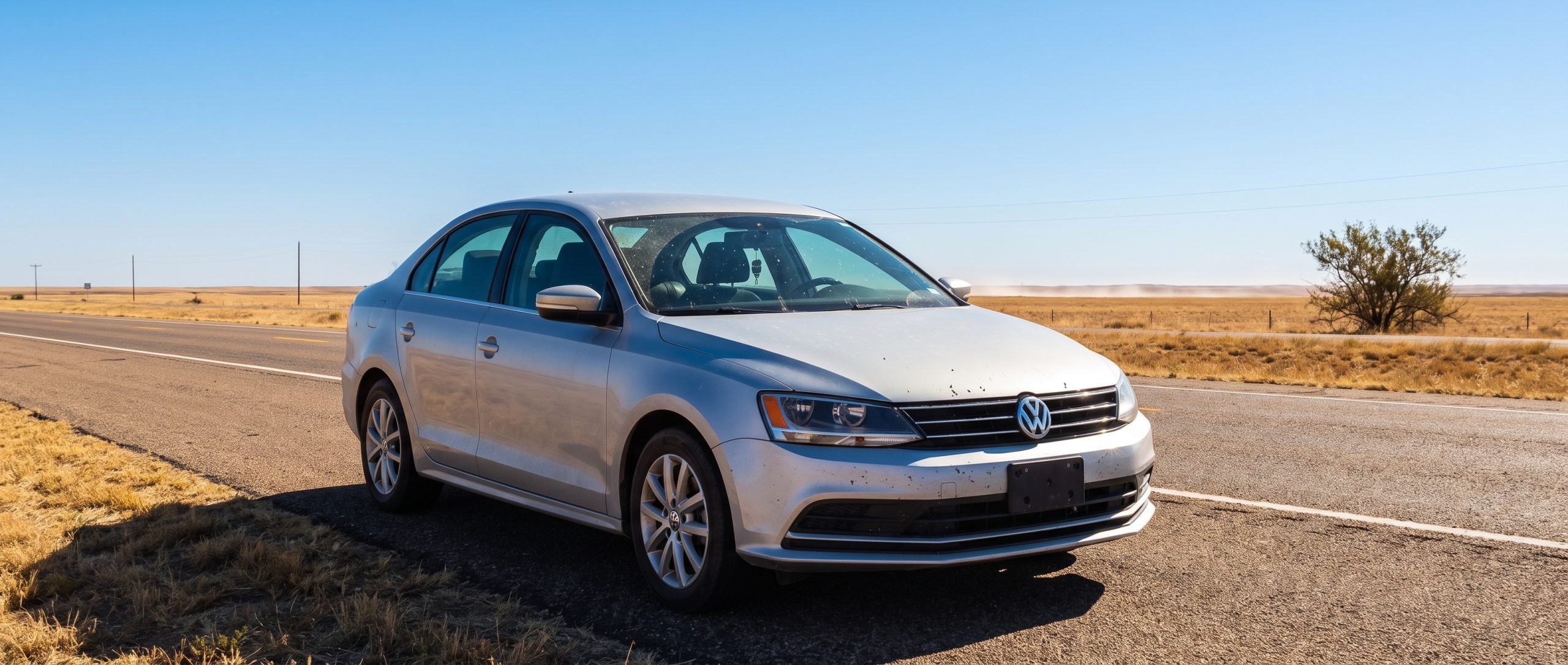
Summer in Amarillo, TX hits differently than almost anywhere else in Texas - triple-digit heat, relentless sun, and long stretches of open road that demand a reliable, fuel-conscious car. The Volkswagen® Jetta has earned a reputation as a practical commuter sedan for exactly these conditions, offering a comfortable cabin, solid fuel economy, and a proven powertrain that handles the demands of Panhandle summers without drama. If you're logging daily miles between neighborhoods, heading down I-40, or making the run out toward Canyon or Bushland, here's why the Jetta keeps coming up as a genuinely sensible choice. What Amarillo Summers Actually Do to Your Daily Driver Amarillo's summer climate is one of the more demanding in the country for daily commuters. Average high temperatures regularly sit above 95°F from June through August, with intense UV exposure and dry heat that accelerates wear on interiors, tires, and cooling systems alike. That matters for commuters more than most people realize. Extreme heat taxes your air conditioning system, strains your engine coolant, and degrades cabin materials faster than moderate climates. A car that handles this without constant attention is worth its weight in Panhandle dust. The Jetta's turbocharged 1.5-liter engine - paired with an 8-speed automatic transmission - is built to run efficiently under sustained heat load. It doesn't require premium fuel, which is a practical advantage when you're filling up multiple times per week in the Texas summer. Did you know? The Texas Panhandle averages over 260 sunny days per year, according to the National Weather Service - making UV protection for your cabin materials and dashboard a genuine long-term ownership concern, not just a comfort issue. Fuel Economy That Makes Sense for Panhandle Commutes The Jetta earns an EPA-estimated 29 mpg city and 43 mpg highway, making it one of the more efficient non-hybrid sedans in its class. For Amarillo commuters, that highway number is particularly relevant. Panhandle roads are long and flat - whether you're heading east on I-40, south on US-287 toward Claude, or running the loop around Coulter Drive and Bell Street during peak hours. A car that rewards highway driving pays off quickly when your daily commute involves sustained speeds rather than stop-and-go gridlock. Here's how the Jetta's fuel economy stacks up against typical commuter distances in the Amarillo area: Commute Route Avg. Round Trip Miles Weekly Fuel Cost at 29 mpg City Weekly Fuel Cost at 43 mpg Hwy Central Amarillo Loop 20-25 miles Lower cost, shorter fill cycle - Amarillo to Canyon, TX 40-50 miles - Significant savings over larger vehicles Amarillo to Bushland, TX 30-40 miles Mixed driving savings Strong highway efficiency Cross-town via I-27 25-35 miles Consistent fuel performance Benefits with light traffic Fuel cost estimates based on EPA ratings. Actual results vary by driving habits and conditions. The point is simple: the Jetta's efficiency isn't a headline number for a brochure. It's a figure that holds up on the actual roads Amarillo drivers use every day. Cabin Comfort When It's 100°F Before You Even Reach the Loop Long commutes in extreme heat come down to one thing: how quickly and how consistently your car keeps you comfortable. The Jetta's standard air conditioning system cools the cabin quickly and maintains temperature well - an important detail when your car has been sitting in surface parking lots near Westgate Mall or the open lots around Amarillo College during a full workday. The available leatherette seating resists heat absorption better than traditional leather, which means fewer unpleasant surprises when you drop into the seat after a full day in the Amarillo sun. Beyond cooling, the Jetta gives commuters: Available heated and ventilated seats for year-round Texas weather swings A driver-focused cockpit layout that keeps controls intuitive without distraction Rear seat legroom rated at 37.4 inches, which beats several popular competitors in its class IQ.DRIVE driver assistance tech with adaptive cruise control, making long Panhandle highway stretches less fatiguing 10-inch touchscreen display standard on higher trims, keeping navigation and audio accessible at a glance It's the kind of interior that doesn't feel like a compromise. You're not giving up comfort to get efficiency. How the Jetta Handles Amarillo's Road Conditions Amarillo roads have their own personality. You've got smooth interstate stretches, the constant construction zones near downtown, rougher patches on older surface streets, and the occasional hailstorm that reminds everyone what Texas weather is capable of. The Jetta's suspension is tuned for a balance between ride comfort and handling precision - which reads as confident without being stiff on less-than-perfect pavement. It's not an off-road vehicle, but it handles the everyday imperfections of Amarillo city streets and Panhandle highways without beating up the driver. Wind is also a real factor here. The Texas Panhandle regularly sees sustained winds of 15-25 mph, with gusts well above that during storm season. The Jetta's aerodynamic profile and stable wheelbase respond predictably in crosswind conditions - something drivers notice on open stretches like US-60 heading west toward Vega. Pro tip: If you commute on open Panhandle highways regularly, adaptive cruise control (available on Jetta SE and above) significantly reduces driver fatigue during gusty conditions by maintaining a steady speed without constant throttle adjustment. Jetta vs. Taos for the Amarillo Commuter: Choosing the Right Fit Some Amarillo drivers are deciding between the Jetta and the Volkswagen Taos™ - a compact SUV that offers more ground clearance and a higher seating position. It's a fair comparison, and the answer genuinely depends on your priorities. Strengths Jetta delivers better highway fuel economy (43 mpg hwy vs. 34 mpg hwy for the Taos FWD) Lower center of gravity means more confident handling in crosswind conditions Easier entry and exit in tight Amarillo parking areas (parking lots near the Amarillo National Center fill fast on event days) Lower price of entry with strong standard feature content Considerations Less cargo flexibility compared to the Taos for those who haul gear regularly Lower seating position isn't preferred by every driver, especially those coming from trucks or SUVs No AWD option if you travel through the Panhandle during winter ice conditions For a driver whose primary use is a daily work commute - especially on I-40, I-27, or the Bell Street corridor - the Jetta's efficiency advantage is meaningful over the course of a Texas summer. Browse our new inventory to see current Jetta and Taos trims available at the Amarillo lot. The Jetta GLI: When the Commute Should Actually Be Enjoyable Not everyone wants a commuter car that's purely utilitarian. If you'd rather look forward to the drive instead of just enduring it, the Jetta GLI™ is worth serious consideration. The GLI shares the Jetta's practical bones - same footprint, same efficiency-oriented design - but adds a 2.0-liter turbocharged engine producing 228 horsepower, available with either a 7-speed DSG automatic or a 6-speed manual transmission. On open Panhandle roads where you can actually use the power, it's a noticeably different experience. What the GLI keeps from the standard Jetta: Practical sedan dimensions that work in everyday Amarillo parking Similar interior comfort for long commutes Strong fuel economy for a performance-oriented sedan The same reliable VW engineering platform What it adds: Substantially more power for passing on US-287 or merging onto I-40 at highway speed Performance suspension tuning Sport front seats with better lateral support A driving character that makes the afternoon commute feel less like a chore The GLI doesn't require you to sacrifice practicality for engagement. That's a rare combination in this segment. Common Questions About the Volkswagen Jetta in Amarillo, TX Is the Volkswagen Jetta a good car for the Texas Panhandle heat? The Volkswagen Jetta holds up well in Texas Panhandle heat thanks to its efficient turbocharged engine, capable air conditioning system, and materials designed to resist UV degradation. Amarillo's 260-plus sunny days per year and summer temperatures regularly above 95°F make a car's cooling efficiency and material durability important long-term factors, and the Jetta addresses both without requiring extra maintenance steps in hot climates. How does the Jetta's fuel economy compare to similar cars driven in Amarillo? With EPA ratings of 29 mpg city and 43 mpg highway, the Jetta ranks among the more efficient non-hybrid sedans in its segment. For Amarillo commuters who spend significant time on flat Panhandle highways like I-40 or I-27, the 43 mpg highway figure translates to real savings week over week compared to compact SUVs or older sedans with lower highway ratings. Does the Volkswagen Jetta handle Amarillo's wind and open road conditions well? The Jetta performs reliably in Amarillo's frequent crosswind conditions due to its aerodynamic shape and stable chassis tuning. The Texas Panhandle regularly experiences sustained winds of 15-25 mph, which affects lighter or taller vehicles more noticeably. The Jetta's low center of gravity and predictable handling behavior make open highway driving in windy conditions more manageable than many of its taller competitors. What's the difference between the Jetta and the Jetta GLI for Amarillo drivers? The standard Jetta prioritizes fuel efficiency, affordability, and everyday comfort - making it well-suited for Amarillo commuters focused on practical ownership costs. The Jetta GLI offers a 2.0-liter turbocharged engine with 228 horsepower for drivers who want a more engaging driving experience without giving up the sedan's practical footprint. Both are solid commuter options; the GLI adds performance character for those who spend significant time on open Panhandle roads. Where can I test drive a Volkswagen Jetta near Amarillo, TX? You can test drive the Jetta at Street Volkswagen of Amarillo, which serves drivers throughout the Amarillo area including Canyon, Bushland, and surrounding Panhandle communities. Scheduling a test drive gives you a chance to evaluate the cabin cooling, ride comfort, and highway performance firsthand before making a decision. Is the Jetta or the Taos a better choice for Amarillo summer commuters? For pure commuting efficiency, the Jetta has the advantage - particularly its superior highway fuel economy and lower cost of entry. The Taos makes more sense for drivers who need additional cargo space, a higher seating position, or prefer an SUV form factor. If your primary use is a daily work commute in and around Amarillo, the Jetta's efficiency numbers and comfortable highway behavior give it a practical edge for summer driving. Making the Right Call for Your Amarillo Commute The Volkswagen Jetta earns its reputation as a summer commuter sedan not through flashy claims but through real-world practicalities: strong fuel economy on Panhandle highways, a cabin that cools quickly and stays comfortable, a powertrain that handles sustained Texas heat, and a size that fits Amarillo's parking reality. Whether you're commuting through central Amarillo, heading out toward Canyon, TX, or putting in highway miles on I-40, the Jetta gives you a straightforward, capable ownership experience without requiring compromise. The team at Street Volkswagen of Amarillo knows these roads and can help you find the trim and configuration that fits your specific commute and budget. View New Inventory Schedule a Service Street Volkswagen of Amarillo 8707 Pilgrim Dr, Amarillo, TX 79119 (864) 288-8300